Snow Emergency Season: How St. Paul's Night and Day Plow Routes Work
Saint Paul's snow emergency system moves parking bans from Night Plow routes to Day Plow routes in phases, and knowing your street's phase before the first big storm saves a ticket.
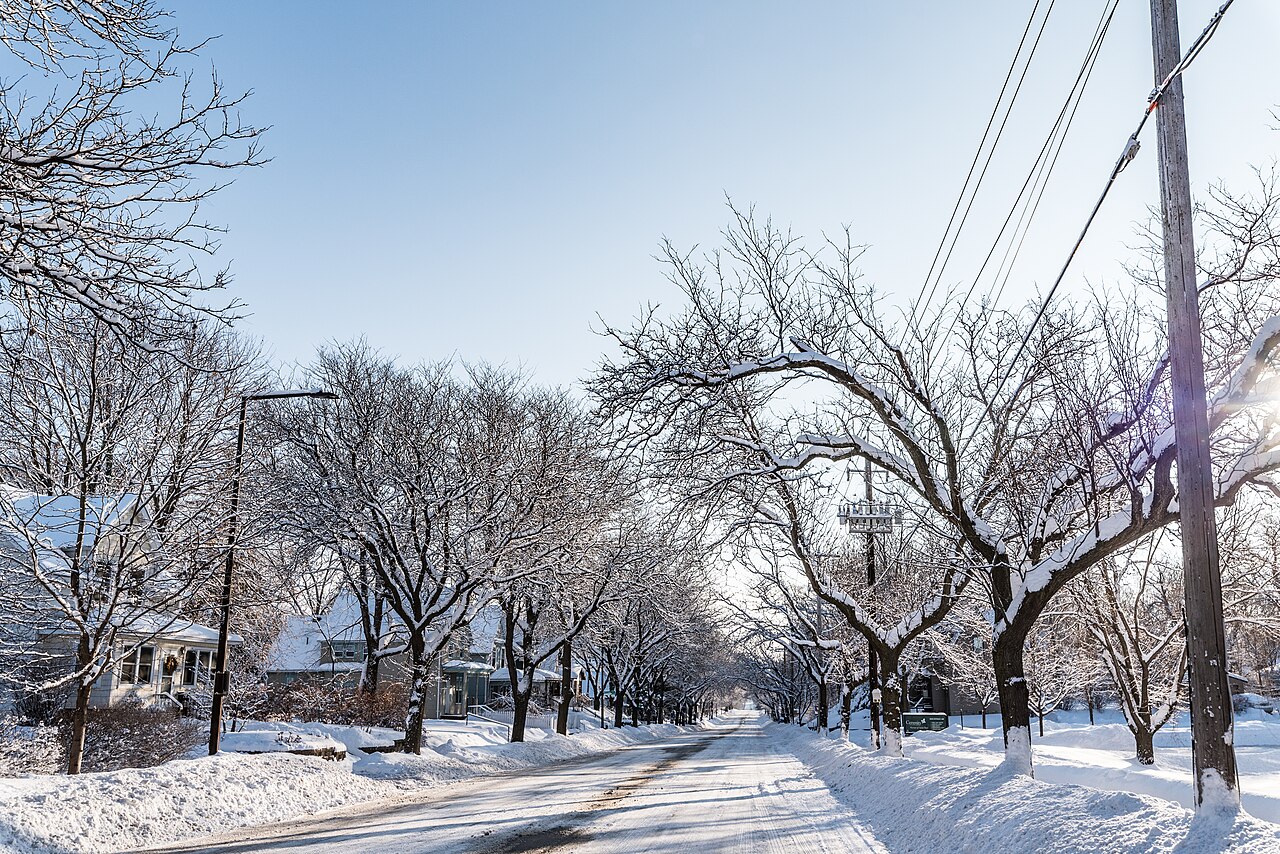
Every Saint Paul driver eventually learns the city's most important winter vocabulary: Night Plow and Day Plow. When the city declares a snow emergency, parking rules change in phases so plows can clear streets curb to curb, and a car left in the wrong place at the wrong phase can be ticketed and towed.
The system works in sequence. During the night phase, plows clear the designated Night Plow routes, generally the major streets, routes signed for night plowing and parts of downtown, and parking is banned on those routes while that phase runs. During the following day phase, crews move to the Day Plow routes, generally the residential streets, and the parking ban shifts with them. The exact start times are set by each declaration, so residents should check the city's current notice rather than relying on memory from a past storm.
The reason for the choreography is simple. Saint Paul's older residential streets are narrow, and parked cars decide whether a plow can pass at all. Moving cars in an orderly rotation lets the city clear emergency routes first for fire, medical and transit access, then open up neighborhoods so residents can get out and, just as importantly, get back in and park legally again.
Preparation beats scrambling. Before the first real snow emergency of the season, learn whether your street is a night or day route, decide now where you will move your car, and sign up for the city's snow emergency alerts by phone, text or email if you have not already. When a declaration comes, move early, help a neighbor who may not have heard, and remember that the rules usually run beyond the snowfall itself. In Saint Paul, winter driving skill is only half the test. The other half is parking.